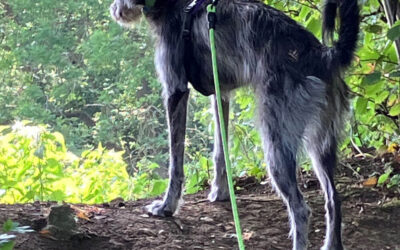
All I could think was that I want to calm my reactive dog, as I sat beside the busy road clinging on to my rescue dog’s lead after he’d pulled me into traffic chasing a van. At the time I had no idea how to do it but I did know that I needed help.
Learning ways to calm a reactive dog is the key to a better relationship with your dog. Living with a dog who reacts to other dogs, people, or busy environments, is stressful and exhausting.
Understanding your dog’s reactivity is crucial, as it can manifest in various ways. For example, some dogs may bark excessively, while others might try to lunge or hide. Recognising these signs is the first step towards addressing the issue.
The good news is—reactivity isn’t about “bad behaviour.” It’s usually a sign your dog is overwhelmed.
Reactivity can stem from a range of factors. A dog that has had a negative experience with another dog during a walk might react defensively upon seeing other dogs in the future. Similarly, a dog that feels unsupported in busy areas may exhibit signs of anxiety, leading to reactive behaviours. A dog that is suffering from physical discomfort, such as undiagnosed painful conditions, may display reactive behaviours, as a way of creating distance between itself and other dogs.
If you’re in Hitchin and looking for a calmer, more effective approach and want to calm a reactive dog, there are ways to help your dog feel more relaxed and in control.
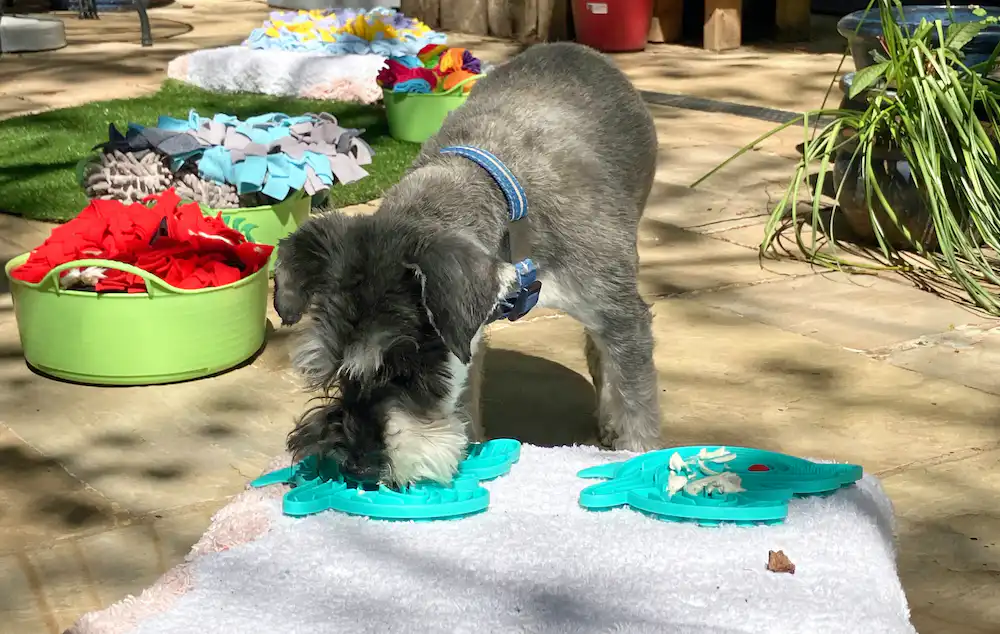
In Hitchin, it’s essential to explore various calming techniques, such as engaging your dog in structured activities that promote relaxation. Activities like scent work, puzzle toys, and even gentle massage can significantly help in reducing their stress levels.
Why Dogs Become Reactive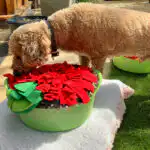
Most reactive dogs aren’t trying to be difficult—they’re struggling to cope.
Understanding the underlying causes of reactivity is critical. Overstimulation, for instance, can occur during walks in busy areas with loud noises, crowds, or even other dogs. Recognising how these factors contribute to your dog’s behaviour enables you to create a better environment for them.
For example, a dog that experiences frequent anxiety might benefit from a more predictable routine, allowing them to feel secure. Establishing a safe space at home where your dog can retreat during overwhelming situations can also be beneficial.
Common causes of reactivity include:
- Overstimulation
- Anxiety or fear
- Lack of calm mental outlets
- Constant exposure to stressful environments
In busy areas around Hitchin, this can build up quickly.
Why Traditional Training Doesn’t Always Work
Several traditional training methods may inadvertently increase stress for reactive dogs. For instance, using harsh corrections or aversive techniques can exacerbate anxiety, leading to worse reactivity over time. Adopting a positive reinforcement approach is generally more effective for building trust and reducing fear.
Many approaches focus on stopping the behaviour. But do not address the reason why the dog is struggling to cope and displaying the behaviour.
Training should focus on building a strong bond with your dog, fostering a sense of safety and understanding. Instead of quick fixes, aim for long-term strategies that address the root cause of the behaviour.
But if your dog is reacting because they feel overwhelmed, simply controlling them doesn’t change how they feel.
That’s why progress can be slow—or temporary.
A Calmer Approach That Works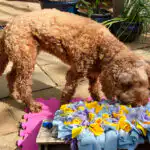
This calmer approach can also incorporate mindfulness techniques. Practising mindfulness with your dog, such as through slow walks in nature or quiet time together, can help both of you respond better to stressors.
Creating a calm environment at home is crucial. Using calming music, pheromone diffusers, or even creating a designated quiet area can promote relaxation. Additionally, engaging your dog in interactive play can also help dissipate built-up energy and stress.
Instead of focusing on control, it helps to:
- Reduce stress levels
- Give your dog space to think
- Encourage calm, natural behaviour
One of the most effective ways to do this is through Freework.
Through Freework, you provide your dog with opportunities to make choices, which empowers them and builds confidence. For instance, allowing them to choose which toy to play with or where to explore can significantly enhance their sense of security.
How Freework Helps Reactive Dogs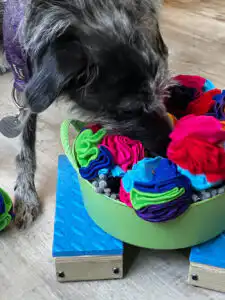
Freework allows your dog to explore objects, textures, and scents at their own pace.
As your dog engages in Freework, observe their behaviour closely. Take note of what they gravitate towards, as this can provide insights into their preferences and fears. This understanding can guide how you approach other training or behavioural challenges.
This helps them:
- Slow down
- Process their environment
- Build confidence
- Feel safer and more relaxed
Over time, this reduces the need to react.
It’s also important to celebrate small victories. Each time your dog successfully navigates a situation without reacting, it’s a step forward. Keeping a journal of these moments can help you track progress and stay motivated.
Support for Reactive Dogs in Hitchin
In addition to guided sessions, consider joining local support groups for dog owners in Hitchin. Sharing experiences with others facing similar challenges can provide new insights and helpful strategies.
If your dog struggles with reactivity, guided Freework sessions in Hitchin can help you understand what they need—and how to support them.
It’s essential to stay patient and consistent. Behaviour modification takes time, and each dog progresses at their own pace. Progression is rarely linear and it may feel that some days are a step backwards rather than a move forward. This is another reason why keeping a journal is a good idea, as you may be able to see patterns emerging. Regularly revisiting your goals and adjusting your approach based on your dog’s response is key to success.
These sessions are calm, pressure-free, and designed around your dog. Looking for help with a reactive dog in Hitchin?
Book a Freework session and start seeing calmer behaviour and a more settled dog.